

"A household located in the northern part of London is looking for an exceptional and experienced educator to assist their most junior child on his first steps to growing into an English gentleman."
When reading this listing, you might easily miss the wording "initial stages" as mere a turn of phrase.
However, it might be the most important part of this unusual employment listing, as it attempts to find a tutor for a one-year-old.
Numerous of submissions have since been received since the unnamed family advertised their request for the highly paid tutor, who has to be "a uniquely qualified person".
In recent few weeks, the listing has gained attention throughout the press, with many questioning why?
Forward-Thinking Method
Adam Caller, head and founder of a global tutoring firm, which is assisting the family in their hunt, explained that despite initial skepticism, he considered the plan "visionary", and "advanced".
When he met the family, he noted they understood the unconventional character of their demand, and how immature their son is.
But, they stated that they "were unwilling to delay any longer" to hire a tutor, as they had held off until their elder sibling was five, and by that point "cultural influence had already set in".
But what did the family mean by "cultural leaning"?
It's "everything", the expert answered. "The way you eat, the way you speak".
He said the elder child had adopted "extremely delicate, non-verbal cues" from the family, and had assumed their cultural habits. The family informed Adam they wished to avoid this pattern to repeat itself with their infant.
The plan: To bring in a British tutor, who should speak with standard English accent, to shape the baby right from the beginning.
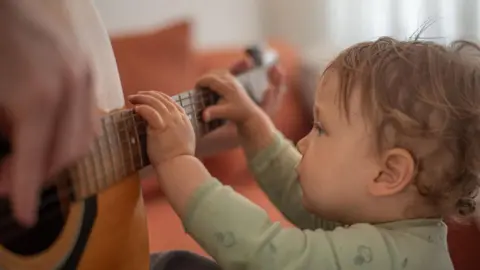
Subtle Influence
"A great deal of the development at the outset here is rather acquired indirectly," said Adam.
It's by means of this subtle influence that the family are aiming the child will pick up the UK customs they wish to instil.
He explained the tutor needed to be someone who attended "prestigious academies – the same kinds of schools as the family hope to send their son to".
"The instructor simply needs to be the suitable individual, they'll be performing things they aren't even aware they're doing, effortlessly," he said.
Expense Not a Factor
The family informed the expert the selected educator should ideally also have knowledge of or enthusiasm in horse riding, winter sports, artistic pursuits and musical activities so as to influence the child in a diverse set of interests.
Furthermore though, he explained the family desired the tutor to register the child on a variety of classes so the child would be "horseback riding and learning an instrument by the time they are about three years old".
In the family's view, assisting their son become a "British gentleman" will bring about achievement and provide access.
"Taking into account the pros and cons of that, because it's certainly a class statement," he adds.
Yet, in spite of all this tutelage in "UK identity", might the child adopt alleged cultural bias from the globally influenced family he lives with regardless?
"Yes", said Adam. "The parents realize this may not work, but they've just taken the view of, 'why not attempt it and we'll proceed as soon as we can', because the expense of it is not a concern," he stated.
Idealistic and Unrealistic
Several in the education sector who express similar reservations.
Peter Cui, head and founder of Blue Education, who supplies personal educators, stated that "the process of becoming bicultural, or in fact, becoming oneself, is something that must be experienced personally, not manufactured."
He noted that he had emigrated from the Far East to the UK at the age of seven, and had been raised knowing and practicing dual heritages. He went on to be educated at the University of Cambridge.
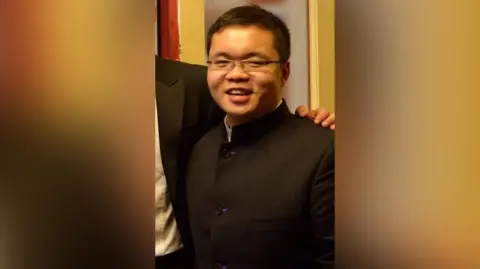
"The idea that one individual can function as a living vessel of UK identity, a person who can possibly transplant the characteristics of a English gentleman upon a 12-month-old child, strikes me as idealistic and impractical," he commented.
"In my experience, engaging a distinctly English tutor from infancy will will not instantly produce the result they hope for.
"I did not have that kind of mentor, and yet I have been lucky enough to enjoy several of the opportunities they hope for their son."
He continued: "The fact is, personal identity should not be imposed from the outside influences; it must be selected, and it must originate internally."
Purchasing UK Culture
Of course, Britishness is something Adam believes can be educated – and marketed.
"I believe the situation that the global community holds us in this regard is something that we should be cherishing|valuing|appreciating


